

Pulsatile Innovations: how a paramedic is racing to detect cardiac arrest sooner
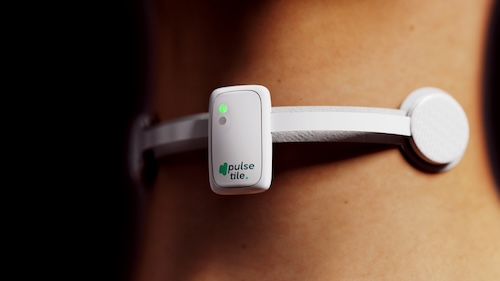

In a cardiac arrest, minutes change everything. Pulsatile Innovations, an Australian MedTech startup founded by paramedic and registered nurse Elleesha King, is building a device designed to help rescuers act faster and with more confidence in those critical first moments. After a successful Birchal equity crowdfunding campaign, the company is pushing ahead with the development of its flagship product, the Pulse Tile.
A problem seen on the front line
The idea for Pulsatile Innovations did not come from a lab. It came from the front line of emergency care, where its founders have seen firsthand how difficult the most fundamental questions can be in a real emergency: does this person have a pulse, and should I be starting CPR right now? Under extreme pressure, even trained responders can struggle to detect a faint pulse quickly, and that uncertainty can cost precious seconds. For a layperson, the hesitation can be even greater.
Why speed matters
Cardiac arrest is one of the most time-critical emergencies there is. Studies of out-of-hospital cardiac arrest consistently show that survival falls sharply with every minute that passes before effective CPR begins, and that early, high-quality chest compressions are among the most important factors in whether someone survives. Anything that helps a rescuer recognise the situation and start compressions sooner, and keep them effective, has the potential to save lives. That is the gap Pulsatile Innovations set out to close.
Introducing the Pulse Tile
The company's product, the Pulse Tile, is designed as a single-use, adhesive pulse-sensing device that gives rescuers objective pulse detection and real-time CPR feedback. Instead of relying on a stressed responder's judgement alone, the Pulse Tile is intended to provide a clear, objective signal about whether a pulse is present and when CPR is needed, with the company aiming to cut assessment time by up to 50 per cent. It is positioned as a first-of-its-kind cardiac arrest detection device, designed to complement, not replace, the tools already in use, such as pulse oximeters and defibrillators. In a chain of survival where every link counts, the Pulse Tile aims to strengthen the very first one.
Built by clinicians, supported by programs
Pulsatile Innovations is grounded in clinical experience. Founded in 2024 and based in regional Victoria, the company is led by founders who have worked in paramedicine and nursing and have lived the problem they are now solving. That credibility has helped the team earn a place in a series of respected development and accelerator programs, including:
- The Medical Device Partnering Program
- CSIRO's Innovate to Grow
- The Medtech Actuator
It is important to be clear-eyed about the stage of the journey. As an early-stage medical device, the Pulse Tile is still in development. It is not yet available for sale and has not been approved by regulators, and like any medtech venture it faces a development and regulatory pathway ahead. That is precisely why community capital matters at this point in the company's life.
A community raise for a life-saving mission
Pulsatile Innovations raised $397,966 from 256 investors through its Birchal equity crowdfunding campaign, which closed in March 2026. The raise drew a community of purpose-led investors, people motivated by impact and innovation in cardiac care as much as by the commercial opportunity. For a mission-driven medtech company, that alignment is valuable: these are backers who understand the long road of device development and want to be part of the outcome.
The funds support the continued development of the Pulse Tile, moving the device along its path toward testing, validation and, ultimately, the hands of the responders who could use it. It is an early-stage bet, with all the risk that entails, on a product with a clear and compelling purpose.
The opportunity, if the team can execute, is significant. Out-of-hospital cardiac arrest claims thousands of lives in Australia each year, and survival rates remain stubbornly low, in large part because effective help does not arrive, or begin, fast enough. There is a growing global push to put life-saving tools and confidence into the hands of everyday people and frontline responders, not just clinicians, and a simple, objective device that helps anyone recognise a cardiac arrest and respond well fits squarely within that movement. A solution that works in Australia could be relevant well beyond it.
What is next
With its raise complete and a community of supporters behind it, Pulsatile Innovations is focused on advancing the Pulse Tile through development and toward market, guided by founders who have stood in the moments the device is built for. The goal is simple to state and hard to achieve: help more people start effective CPR sooner, and give more people in cardiac arrest a chance at survival.
This article is general information only and is not financial advice or an offer of securities. Past campaign performance is not indicative of future results. Investing in early-stage companies involves significant risk, including the loss of your investment. Always read the relevant CSF offer document and the general CSF risk warning before investing.
You can explore Pulsatile Innovations' profile on Birchal.
This article is general information only and is not financial advice or an offer of securities. Past campaign performance is not indicative of future results. Investing in early-stage companies involves significant risk, including the loss of your investment. Always read the relevant CSF offer document and the general CSF risk warning before investing.