
Fremantle Seaweed: the blue-economy mission that brought 1,000 investors on board


Some businesses sell a product. Others sell a future you want to live in. Fremantle Seaweed belongs to the second category — and it's a vivid example of how a climate-impact mission, backed by real science and real infrastructure, can rally around a thousand everyday investors to a cause. The Western Australian startup raised $1.26 million from roughly 1,000 investors through Birchal, turning environmental purpose into one of the platform's standout blue-economy stories.
Seaweed versus methane
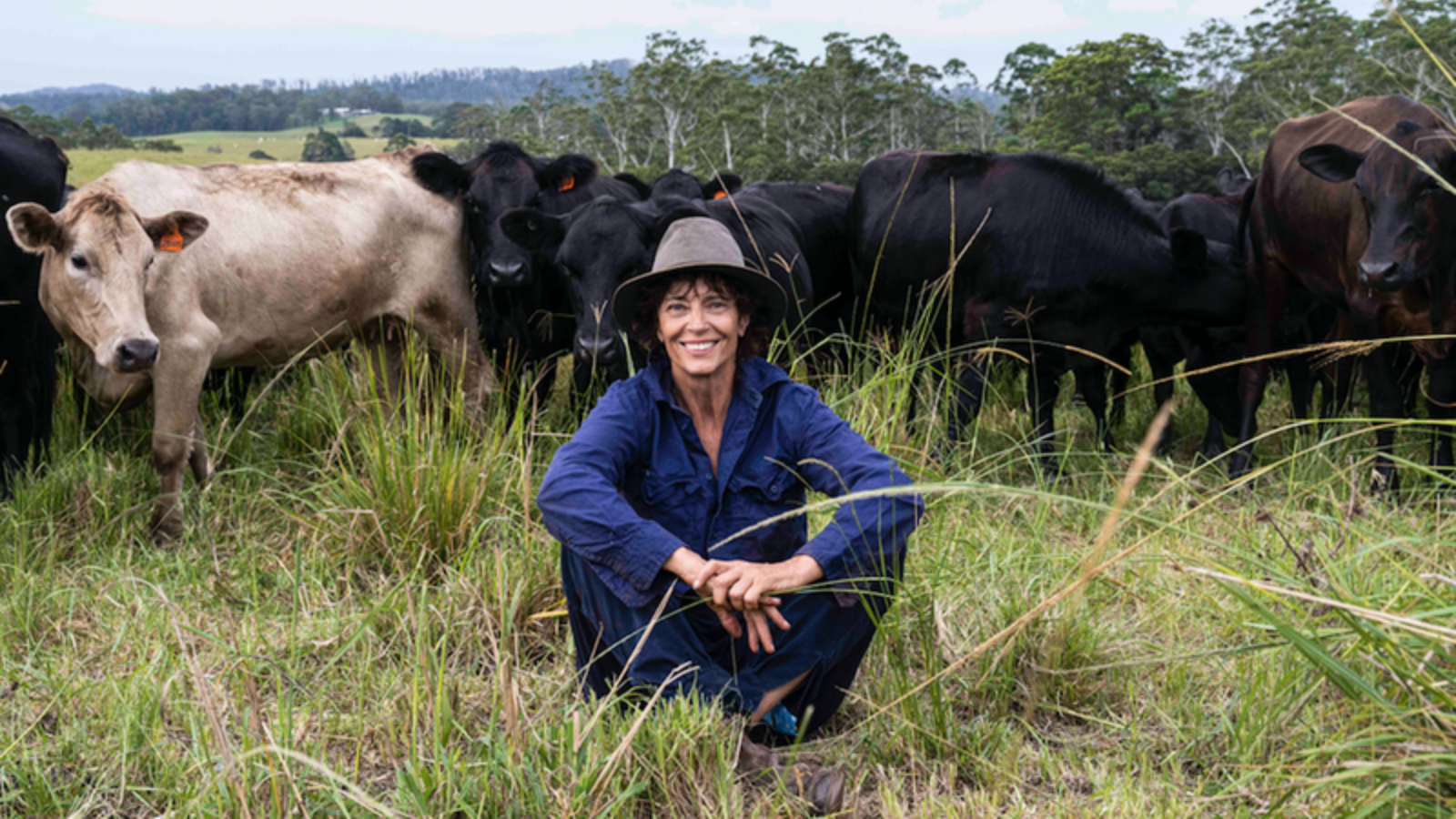
Fremantle Seaweed's mission sits at a fascinating intersection of agriculture, climate and the ocean. The company grows a native red seaweed, asparagopsis, which research from CSIRO has shown can dramatically reduce the methane that cattle and other livestock produce through digestion — emissions that account for a meaningful slice of Australia's total greenhouse output. Add a small amount of the seaweed to livestock feed and methane can fall by a striking margin. The implication is enormous: a natural, scalable way to cut one of the hardest-to-address sources of agricultural emissions.
Cofounded in 2020 by Chris De Cuyper and Mick Holland, the company spent years building the unglamorous but essential foundations of an ocean-based business: the cultivation systems, hatcheries and processing capability needed to grow and harvest asparagopsis at scale. It has been supported along the way by a multi-million-dollar Western Australian government grant and a place in the state's blue-economy innovation ecosystem — the network of programs supporting high-potential marine ventures.
A mission tailor-made for the crowd
Climate-impact ventures have a natural advantage in equity crowdfunding: their potential backers aren't only chasing returns, they're chasing impact. Fremantle Seaweed's pitch spoke directly to investors who wanted their capital to do something tangible about emissions, regional jobs and the future of sustainable agriculture. The company's managing director has framed the opportunity in terms of abating close to a million tonnes of CO₂-equivalent emissions a year — the kind of real-world impact that producers, policymakers and individual investors all want to see.
That shared sense of purpose is what turns a crowd raise into a movement. When around 1,000 investors back a company like Fremantle Seaweed, they're not just buying equity — they're declaring that they want this future to exist, and they're willing to help fund it. For a capital-intensive, science-led venture, that breadth of support is invaluable.
The raise and what it unlocked
Fremantle Seaweed's Birchal campaign raised $1.26 million from around 1,000 investors, at an early-stage valuation that reflected its pre-commercial position. The capital was catalytic. It allowed the company to strengthen its team — bringing scientific, commercial and finance capability in-house — and to invest in the infrastructure required to move from proving the concept toward commercial production. For a business whose biggest challenges are physical and scientific rather than purely commercial, that kind of foundational investment is exactly what's needed to reach the next milestone.
Crucially, the crowd raise also did what crowd raises do best: it built a community of advocates around a mission that benefits from broad awareness. A thousand investors who understand and believe in the asparagopsis story are a thousand people helping to spread it.
Lessons for impact founders
Fremantle Seaweed's campaign offers a clear template for climate and impact-driven founders. First, lead with the impact, backed by credibility. The company didn't ask investors to take its environmental claims on faith — it pointed to established science and tangible infrastructure. Purpose plus proof is far more persuasive than purpose alone.
Second, recognise that impact ventures can mobilise a wider and more motivated crowd than purely commercial ones. People will back a mission they believe in, especially when they can see a credible path from here to real-world results. Third, use the capital to build foundations. For science- and infrastructure-led businesses, an early raise that funds team and capability can be the difference between staying a promising idea and becoming a commercial reality.
Finally, remember that the breadth of a crowd is itself a strategic asset for impact companies. The more people who understand your mission and have a stake in it, the more momentum you carry into everything that follows — from partnerships and grants to future capital.
Fremantle Seaweed set out to tackle one of agriculture's toughest problems with a solution grown in the ocean. Around a thousand Australians decided that was a future worth backing — and that's the power of pairing a genuine mission with the crowd.
Building the blue economy, piece by piece
The capital Fremantle Seaweed raised went toward the unglamorous infrastructure that turns a promising idea into an operating business. Growing asparagopsis at scale means securing ocean space, building the systems to cultivate and harvest it, and developing the hatchery and processing capability to supply it consistently — the physical backbone of an ocean-based venture. The company has worked toward marine leases, designed purpose-built equipment for cultivation and harvesting, and positioned itself within the broader effort to commercialise asparagopsis as a livestock feed ingredient. This is patient, foundational work, and it's exactly the kind of capability-building that early capital is best spent on.
There's a regional dimension that resonates strongly with investors, too. The company's leadership has framed its mission as about more than climate impact — it's about regional renewal, skilled jobs and proving that globally significant innovation can be built in Western Australia. That narrative widens the circle of people who want to see the company succeed: not just climate-conscious investors, but anyone who believes in local industry and the idea that homegrown ingenuity can solve world-scale problems. When a raise can speak to environmental impact, economic opportunity and national pride all at once, it taps a deeper well of support than a purely commercial pitch ever could — and Fremantle Seaweed's roughly 1,000 investors are the proof.
You can explore Fremantle Seaweed's profile on Birchal.
This article is general information only and is not financial advice or an offer of securities. Past campaign performance is not indicative of future results. Investing in early-stage companies involves significant risk, including the loss of your investment. Always read the relevant CSF offer document and the general CSF risk warning before investing.